




Human Rights


Supporting the SDGs Goals

Goal 1:

Goal 5:

Goal 10:
Goal and Performance Highlights Year 2025

Goal
Performance
Management Approach and Value Creation
The company recognizes the importance of respecting human rights as a fundamental basis for conducting business. We firmly believe that treating all individuals with equality and without discrimination is a fundamental cornerstone for building a sustainable organization. In alignment with this principle, the company has established a clear and comprehensive Human Rights Policy to guide our operations and to ensure effective communication with employees, business partners, allies, and all relevant stakeholders.
Human Rights Policy and Guidelines
The Company recognizes the importance of respecting human rights as a fundamental basis for conducting business. At the Board of Directors’ Meeting No. 5/2024, held on June 26, 2024, the Board approved the first revision of the Human Rights Policy. This policy serves as a formal commitment to uphold, support, and promote the respect and protection of the fundamental rights and human dignity of all individuals involved in the company’s operations. The policy aligns with national laws, international human rights principles, and recognized best practices. It encompasses key global frameworks, including the Universal Declaration of Human Rights (UDHR), the United Nations Guiding Principles on Business and Human Rights (UNGPs), the Principles of the United Nations Global Compact (UNGC), and the Declaration of the International Labour Organization (ILO).
In addition, the company encourages its business partners, alliances, and stakeholders to acknowledge and adopt the Human Rights Policy as a guiding framework to ensure alignment in practice. The key principles are as follows:


Human Rights Governance and Management
The Company has established a human rights governance and management framework with clearly defined roles and responsibilities for the Board of Directors, senior management, and relevant functions to ensure that its operations are aligned with the Company’s Human Rights Policy and its commitment to respecting human rights.

The Board of Directors
The Board of Directors is responsible for overseeing human rights management at the organizational level, including approving relevant policies and approaches, and monitoring significant human rights issues and performance. Senior management is responsible for driving policy implementation, monitoring human rights risks and impacts, and ensuring that appropriate resources are provided to support effective implementation.
Relevant functions, including Human Resources, Safety, Occupational Health and Environment, Procurement and Supplier Management, the Human Rights Working Group, and operational/site functions, are responsible for integrating human rights principles into their respective areas of responsibility.

Human Rights Resources

Implementation and Monitoring
The Company periodically reviews the roles, responsibilities, and resources allocated to human rights management to ensure that they remain appropriate to the level of risk, nature of the business, and changes in the operating context.
Human Rights Governance and Resource Allocation Structure
| Responsible Body / Function | Roles and Responsibilities | Resources Overseen |
|---|---|---|
 Board of Directors |
Provides the highest level of oversight on human rights matters; approves relevant policies and management frameworks; and acknowledges salient human rights issues, significant human rights risks and violations, and overall human rights performance through reports submitted by Board-level committees. |
Oversees overall policies, budgets, and resources related to human rights management. |
 Corporate Governance and Risk Management Committee |
Establishes and reviews human rights policies, management frameworks, and performance indicators; oversees Human Rights Due Diligence (HRDD), grievance management, and human rights risk management measures; and reports relevant matters to the Board of Directors. |
Reviews the adequacy and appropriateness of budgets, personnel, and other resources required for human rights risk management. |
 Sustainability Committee |
Monitors human rights performance and integrates human rights considerations into the Company’s ESG strategy and sustainability targets, while providing recommendations for continuous improvement. |
Monitors the effectiveness of resource utilization and the outcomes of human rights and stakeholder engagement initiatives. |
 Human Rights Working Group |
Implements human rights policies and action plans; conducts Human Rights Due Diligence (HRDD) and human rights risk assessments; engages with stakeholders; manages grievances; provides training and awareness-raising activities; monitors performance; and reports to the Corporate Governance and Risk Management Committee. |
Utilizes budgets, personnel, tools, and supporting systems for human rights activities, training, risk assessments, stakeholder engagement, and grievance management. |
Human Rights Due Diligence Process
In the year 2024, the Corporate Governance and Risk Management Committee’s meeting No. 5/2024 held on June 26, 2024 has approved the Human Rights Manual of Ratch Pathana and Affiliates which included the scope of human right assessment, both existing and potential risks, as well as concerns throughout the value chain. It encompasses activities directly conducted by the company itself and indirectly through the operations of partners, contractors, which may lead to collaborative misconduct in human rights violations. Additionally, it outlines the process of investigating misconduct and corruption, measures of whistleblower and complainer protection, and remediation
Human Rights Due Diligence Process

Scope Definition for Human Rights Risk and Impact Assessment
Defining the scope of human rights risk and impact assessment enables management to understand the potential impacts on stakeholders affected by the company’s business activities. The information gathered outlines the boundaries of data collection and the assessment of potential impacts. The scope can be determined through the following approach:
Reviewing human rights issues from other companies within the same industry by using publicly available sources, such as sustainability reports, corporate websites, and human rights management practices of leading companies, including RATCH Group Public Company Limited.
Identification of human rights issues based on risk assessments in the oil and gas industry, as well as the energy and utilities sector.
| Labor Rights | Supply Chain | Community Rights | Customer Rights | Security | Environment |
|---|---|---|---|---|---|
|
|
|
|
|
|
Source: 10 Key Human Rights Issues in the Energy and Utilities Sector
Stakeholder-Based Grouping of Human Rights Issues
Following the review of preliminary documents, relevant human rights issues were grouped into categories based on stakeholder groups within the company’s value chain. This helps define the scope of assessment more clearly.
| Employees | Suppliers / Contractors | Communities | Customers | Security |
|---|---|---|---|---|
|
|
|
|
|
Communication with Business Partners on Human Rights Issues
Over the past year, the company has revised the Group’s Supplier Code of Conduct to encompass all external service providers, including distributors, brokers, consultants, contractors, and suppliers of products or services. Human rights considerations have been integrated as a key component of the Code to promote ethical business practices and respect for human rights among the Group’s suppliers. These principles have been established as essential elements of the commercial terms and contractual agreements used in supplier evaluation. The Company has also communicated these guidelines to its suppliers to ensure mutual understanding and alignment in business operations
Human Rights Risk Assessment
The company has conducted a human rights risk assessment to prevent and mitigate potential impacts related to human rights within its operations. The assessment focused on labor-related human rights risks, including:

Working conditions of employees

Employee health and safety

Discrimination

Harassment

Rights violations

Equality

Freedom of association

Assembly

Collective bargaining

Use of illegal labor
Based on the assessment results, the Group has implemented a standardized and fair employee selection process, including written examinations and interviews, to evaluate candidates’ knowledge, capabilities, and suitability for each position. The company adheres to principles of fairness and equality in accordance with its Human Rights Policy and practices, without discrimination based on gender, nationality, race, religion, political beliefs, or any other grounds, as approved by the Board of Directors at Meeting No. 5/2024 on June 26, 2024. Furthermore, the company prioritizes internal promotion by offering vacant positions to qualified internal candidates before considering external recruitment.
Grievance Management and Remediation
The company places great importance on the management of grievances and the remediation of affected individuals. A remediation mechanism has been established to address any adverse impacts resulting from the Company’s operations. This includes measures such as issuing apologies, providing assistance, restoring affected parties, offering compensation, and/or other appropriate forms of remedy. Disciplinary actions and preventive measures are also implemented to ensure that similar incidents do not recur.
During the years 2023–2025, there were no labor-related disputes.
| Title/Year | 2023 | 2024 | 2025 |
|---|---|---|---|
| Number of human rights violations | 0 | 0 | 0 |
| Number of labor disputes | 0 | 0 | 0 |
Human Rights Operations 2025

In 2025, the Company formally adopted comprehensive Human Resources Management Guidelines aligned with its Non-Discrimination Human Rights Policy, ensuring equal treatment throughout the employment lifecycle, beginning with the recruitment and selection process
These guidelines align with the human rights policy regarding non-discrimination throughout the recruitment, hiring, development, performance evaluation, and employee compensation processes. The policy aims to prevent and protect employees at all levels from discrimination in any form, whether through exclusion or preferential treatment of any individual or group based on race, nationality, skin color, religion, social status, gender, gender identity, age, disability, political views, or any other factor that could lead to discrimination. This ensures that the operations and the human resource management and development practices are conducted in accordance with human rights policies, laws, and relevant regulations.

Ratch Pathana Energy Public Company Limited places importance on respecting, protecting, and promoting children’s rights, with the best interests of the child as a primary consideration. The Company considers potential impacts on children and youth arising from its business operations, products, services, communications, supply chain, and other activities associated with the Company, with an approach aligned with the Children’s Rights and Business Principles (CRBP).
The Company gives particular attention to children’s rights issues, including non-discrimination, the prohibition of child labour, protection from violence, abuse, exploitation, and inappropriate treatment, protection of privacy and personal data, as well as the health, safety, and development of children and youth. The Company does not use child labour and does not support the use of child labour in its operations. It also encourages suppliers and business partners to conduct their operations with due consideration for children’s rights and in compliance with applicable laws and relevant requirements.
The Company conducts its communications and public relations activities responsibly by avoiding the use of images, information, or content that may violate children’s rights, exploit their vulnerability, or cause adverse impacts on children. Particular care is also taken in the collection, use, or disclosure of children’s personal data and images. In addition, the Company supports the rights of children and youth to access education, learning opportunities, skills development, well-being, and an appropriate quality of life through social development projects and activities, such as scholarship programs, youth art competitions, the Little Village Health Volunteer (Little VHV) Project, learning promotion activities, and environmental activities.
Actions Taken in 2025
In 2025, the Company developed an internship management guideline/manual to establish standardized practices for managing and supervising student interns and to ensure that the treatment of interns considers the rights, safety, and well-being of children and youth, while remaining consistent with applicable laws, policies, and relevant requirements, Student interns are provided with appropriate support and access to welfare benefits, including allowances, accident insurance, personal protective equipment (PPE), and opportunities to participate in Company activities as appropriate. This supports practical learning, skills development, and preparation for future employment.
In 2025, the Company provided internship opportunities to a total of 5 students, comprising 3 males and 2 females. The Company also provides grievance and whistleblowing channels for concerns relating to potential impacts on the rights of children and youth. Relevant cases are reviewed, addressed, and remediated as appropriate, with due consideration for the safety, privacy, and best interests of the child.

The company places great importance on promoting women's rights and protecting female labor by ensuring that female employees are not required to engage in work that could be harmful to their health or physical well-being, as required by law. Pregnant employees are provided with a work environment that is safe for their health and well-being during pregnancy. Additionally, the company ensures that female employees are not dismissed, demoted, or have their benefits reduced due to pregnancy. The company also promotes equal opportunities for female workers to develop their knowledge and skills, and ensures that their performance is evaluated fairly, creating opportunities for career advancement without discrimination.
In addition, the company places great importance on and promotes women's rights through various projects carried out in collaboration with communities and local authorities. These include initiatives such as promoting career opportunities for female labor groups, supporting women's group activities in communities surrounding the power plant areas, and other similar programs aimed at empowering women and improving their lives.

The company places great importance on promoting the dignity and respect of its employees and workers. The company has established human resource management practices, which include provisions regarding labor, stating: "The company will not engage in or support any form of forced labor, nor will it demand or accept security payments from employees, whether upon hiring or during employment, or as a condition of employment unless exempted by law. The company also prohibits physical punishment, harassment, or any form of physical, sexual, mental, or verbal abuse as a disciplinary or control measure." These practices, along with other measures, reflect the company’s commitment to respecting labor rights and human dignity, in line with human rights policies such as non-discrimination and opposition to harassment. These practices are further demonstrated by the fact that, over the past three years, there have been no complaints regarding human rights violations or labor disputes.

The company has a compensation management system based on principles of fairness and equality, ensuring internal fairness while remaining competitive with external businesses. It also links compensation to job performance. The company conducts job evaluations, manages performance, and uses a salary structure system to administer employee salaries. In addition to providing benefits and entitlements as required by law, the company also considers providing additional benefits based on the appropriateness of each area. This is aimed at improving the well-being of employees, enhancing security, ensuring a suitable work environment, and boosting morale. The approach to managing compensation and benefits follows the company’s human resources management and development practices.

The company complies with labor laws regarding employee working hours and promotes a work-life balance concept. The standard working hours are set at 8 hours per day, and overtime (OT) should only occur when necessary and with approval from management. The company also supports the use of technology to help reduce workload and unnecessary working hours. Additionally, the company has a policy that supports flexible work arrangements, such as hybrid working, to reduce travel time and allow employees to choose their work locations freely at times. The focus is on work results rather than tracking time. All of this aims to prevent burnout and enhance employee work efficiency.

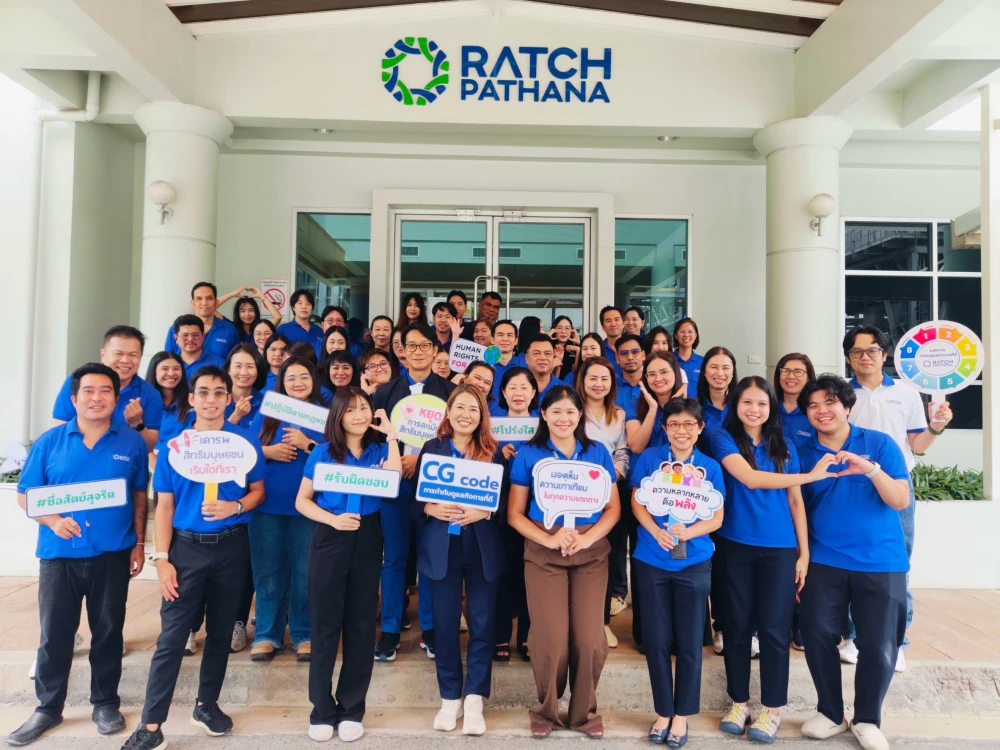
The company promotes respect for and acceptance of diversity, ensuring that there is no discrimination or exclusion in any form. It recognizes and treats all employees equally, including those with diverse gender identities (LGBTQ+), from the recruitment process to the employment stage. The company also respects individuals' freedom of expression, allowing employees to freely express their thoughts. It provides various channels through which complaints, suggestions, or reports of human rights violations related to the company can be made. These channels are accessible to all stakeholders, both internal and external. Additionally, the company ensures that whistleblower information remains confidential and anonymous. Furthermore, the company has established a human rights task force to oversee and guide human rights issues in accordance with the company's human rights policy. The task force's responsibilities include promoting group collaboration for expressing ideas and encouraging employee participation in human rights activities. Clear plans for meetings and initiatives are outlined for the task force to follow.

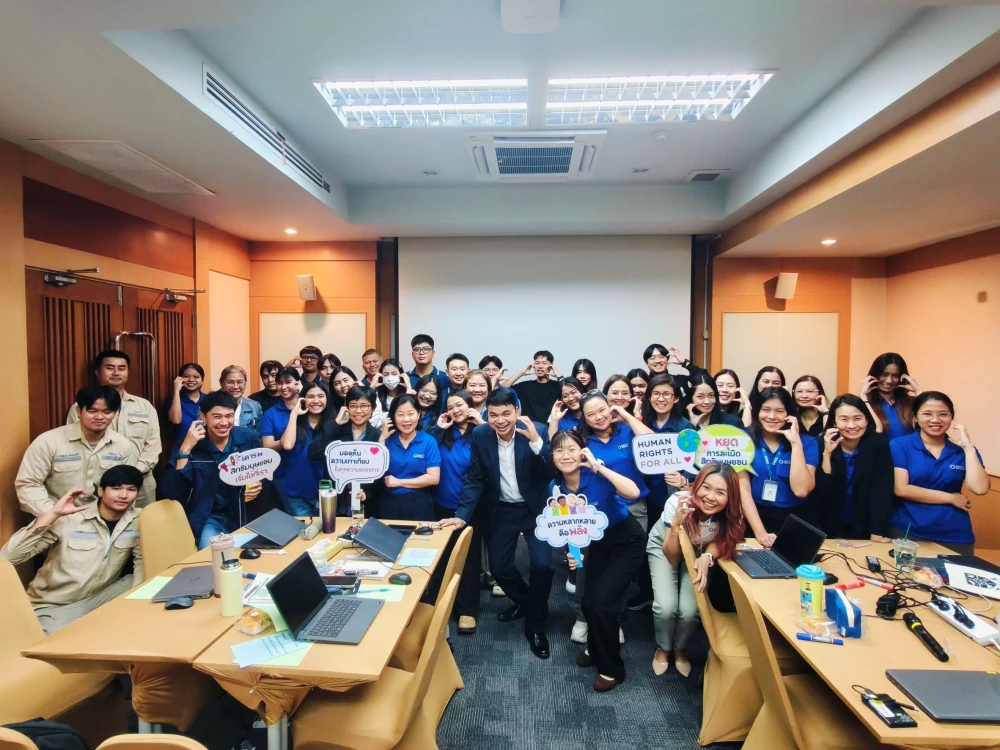
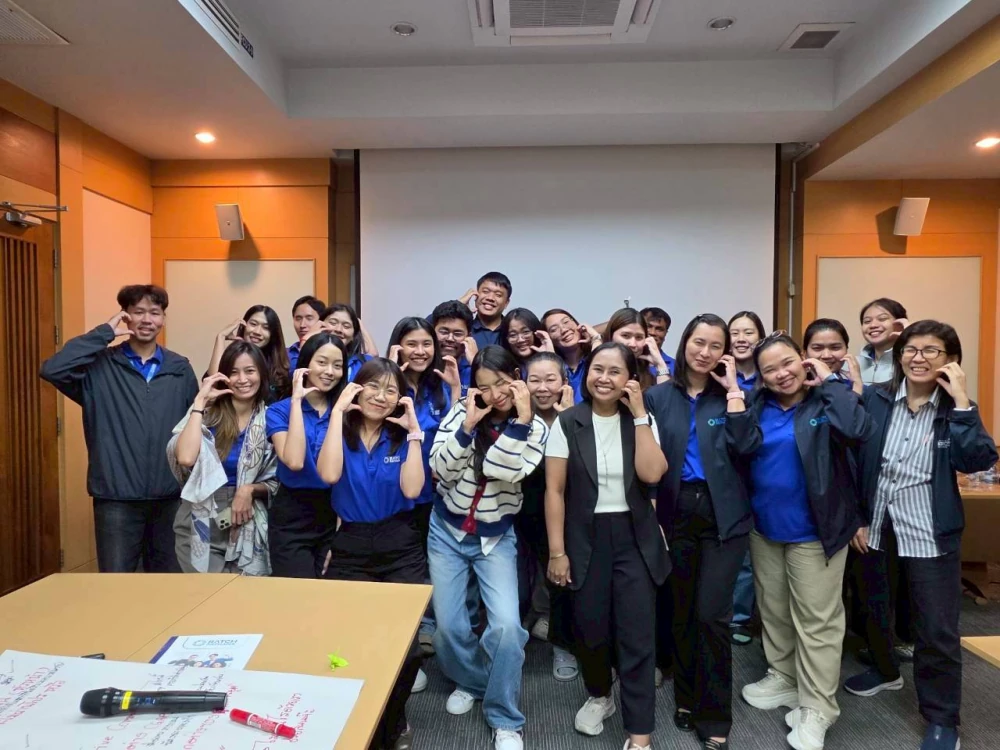
In 2025, the company organized a training course titled "Business and Human Rights" by specialized experts from the Department of Rights and Liberties Protection, Ministry of Justice, to promote human rights knowledge to employees in all areas. The training covered not only rights and duties related to business but also provided knowledge on managing harassment, which is related to human rights issues. A total of 122 employees, including both management and operational staff, participated in the training, representing 61% of the total workforce.
Stakeholder Engagement and Human Rights Activities

The Company recognizes the importance of stakeholder engagement on human rights issues and provides opportunities for employees, communities, government agencies, business partners, contractors, and other relevant stakeholders to exchange views, receive information, and raise concerns or provide suggestions regarding potential human rights impacts arising from the Company’s business operations.
The Company uses engagement channels and approaches appropriate to each stakeholder group, including consultation meetings, community committee meetings, site visits, human rights education and awareness-raising activities, as well as grievance and feedback channels. Information, concerns, and feedback received through these engagement processes are taken into consideration in human rights risk assessments, the development of preventive and mitigation measures, and the continuous improvement of the Company’s operations.
Human Rights Activities Power Plant Visit and Human Rights Awareness Activity
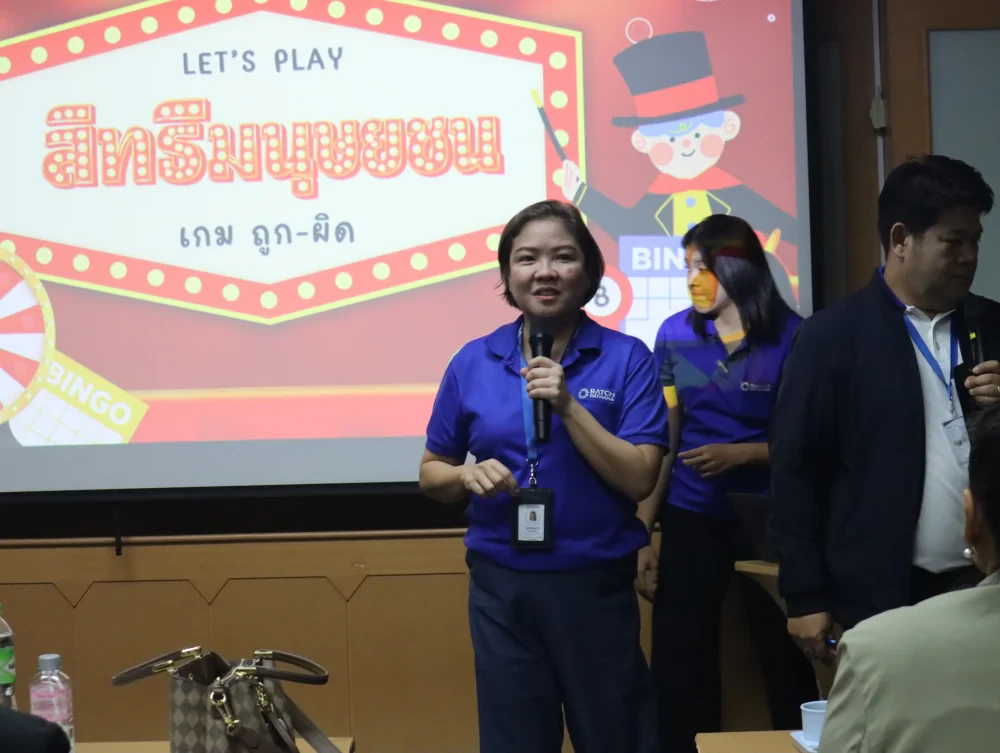
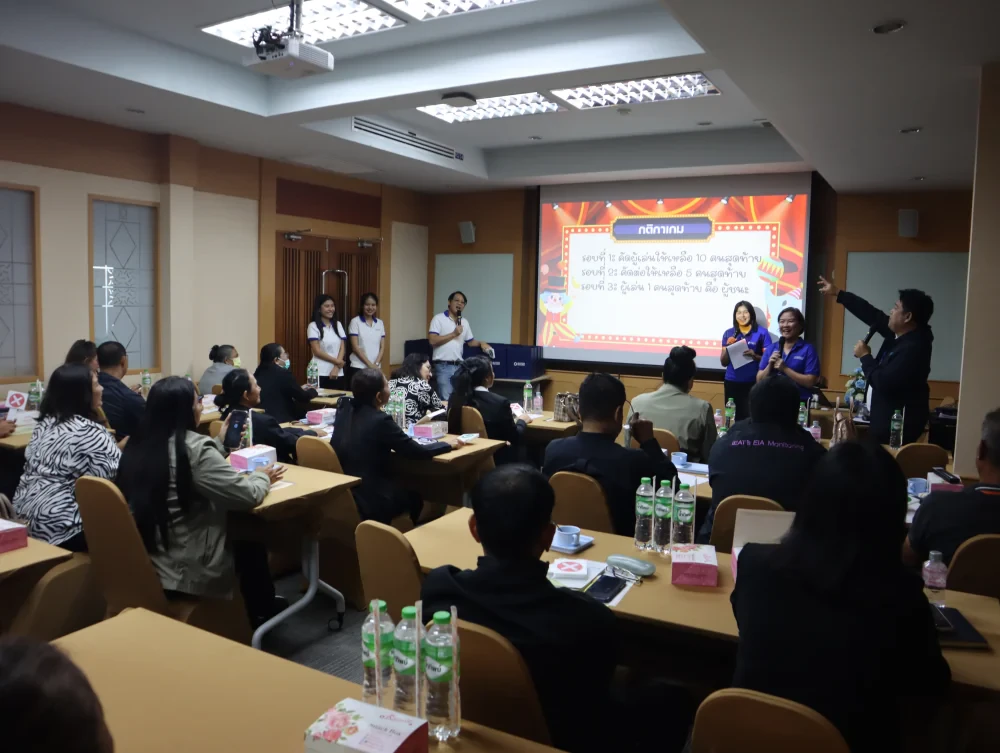
The Company places importance on respecting human rights and engaging with stakeholders by providing communities and relevant organizations with opportunities to access information, exchange views, and better understand potential impacts arising from the Company’s business operations in a transparent manner.

Activity Date
23–24 December 2025

Participants
31 communities

Key Stakeholder Groups
Local administrative organizations and surrounding communities
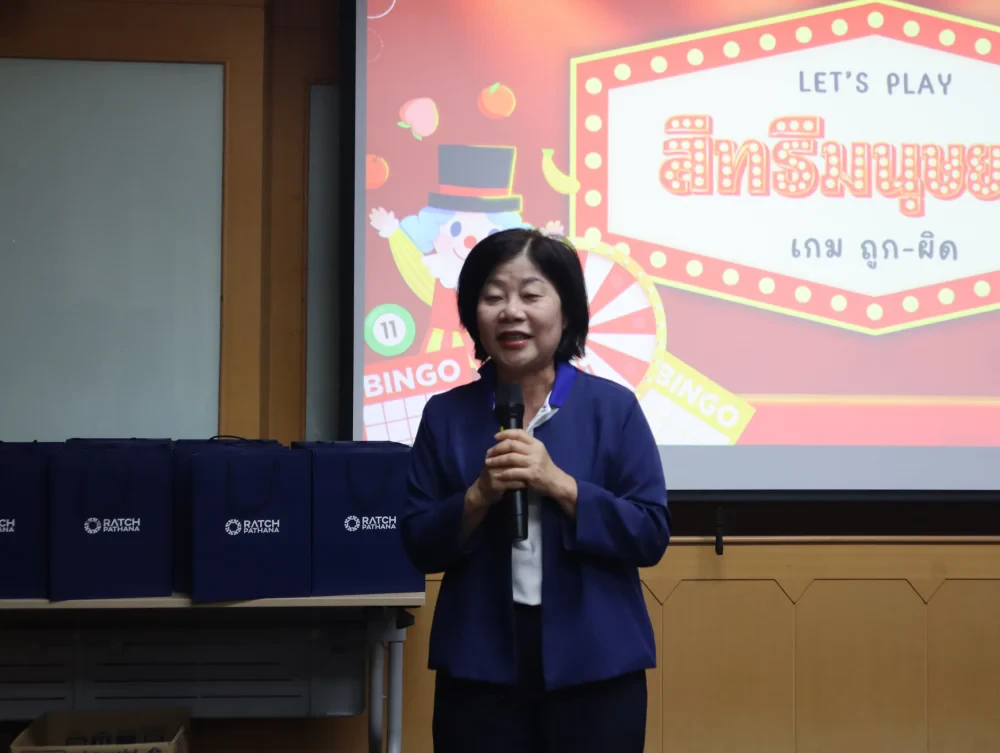
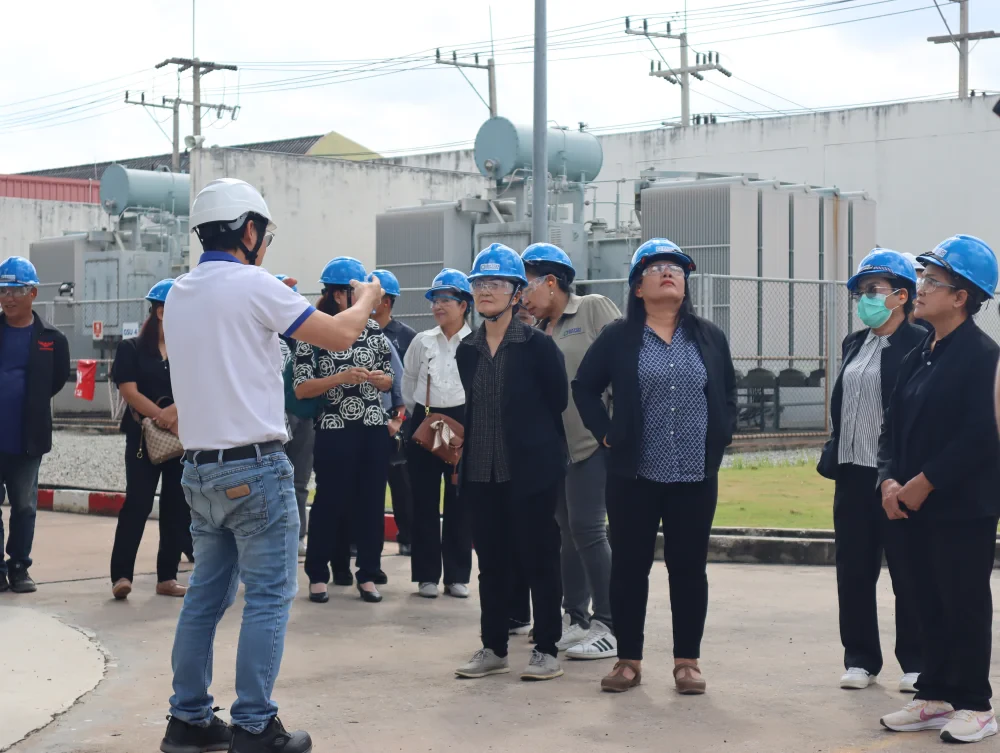
Building Understanding and Advancing Sustainable Community Development
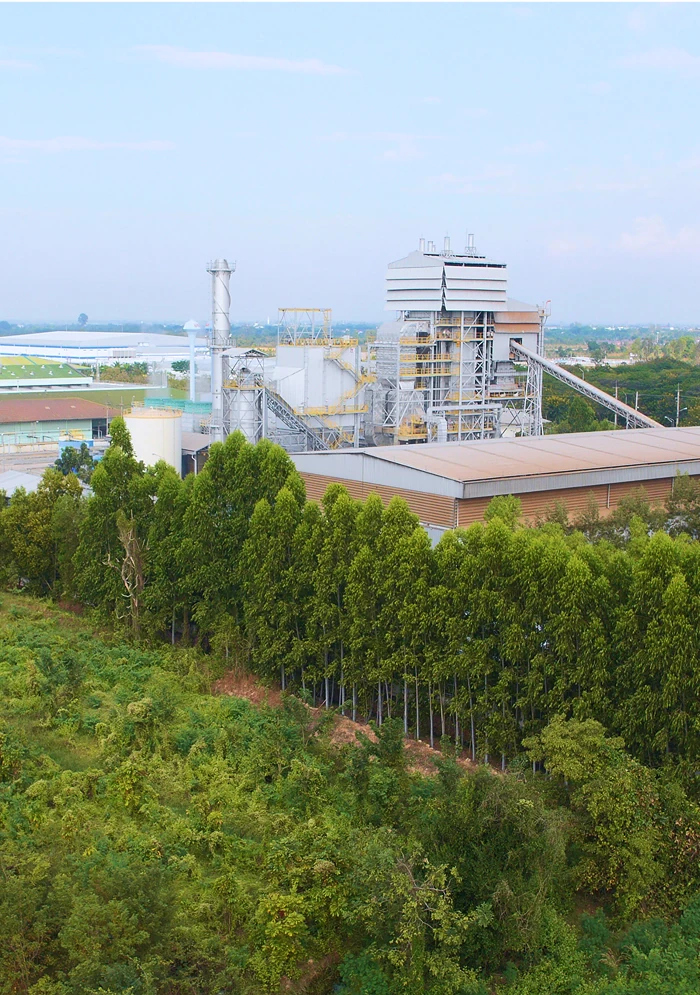
In 2025, the Company organized a power plant visit for local administrative organizations and representatives from 31 surrounding communities to enhance understanding of “Business and Human Rights.” The activity covered community rights, health and safety, the environment and quality of life, as well as the role of businesses in respecting human rights and preventing and mitigating potential impacts arising from business operations.
Creating Opportunities for Learning, Dialogue, and Constructive Engagement

Human Rights Awareness
The Company provided information on conducting business with respect for human rights, safety and environmental measures, and its approach to supporting surrounding communities and society.

Site Visit

Stakeholder Feedback and Dialogue

Integration of Stakeholder Feedback
The Company takes stakeholder views and recommendations into consideration in managing human rights risks and impacts, as well as in improving measures related to safety, environmental management, and community engagement. This supports the alignment of the Company’s operations with stakeholder expectations and sustainable development.
Stakeholders Directly Impacted

Employees